
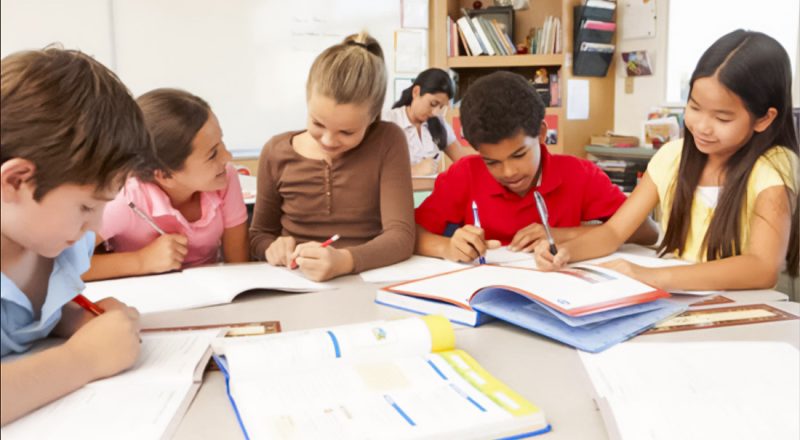
Modern school education is increasingly being evaluated not only by academic results but also by the student’s willingness to think, interact, adapt, and make decisions. That is why 21st century skills are in the spotlight today. Skills that are formed not through memorization, but through student-centered learning, active participation and practical application of knowledge. This is not about replacing the academic base but about rethinking it: from information transfer to the development of critical thinking, creativity, collaboration and communication.
From the Acquisition of Knowledge to the Development of Thinking
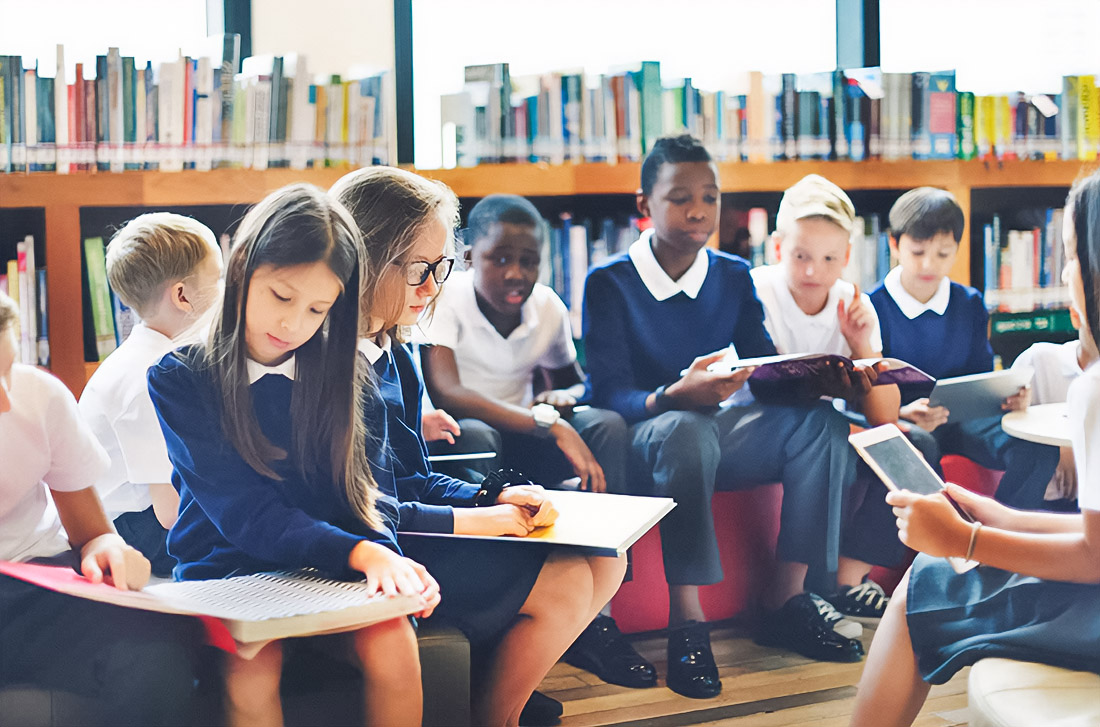
The traditional learning model emphasized information reproduction. However, in conditions where knowledge is available, the key is the ability to analyze, compare, draw conclusions and solve problems. This is where critical thinking comes to the fore as the foundation of academic and life success.
The development of critical thinking is closely related to:
- Inquiry-based learning, where a student learns to ask questions
- Problem-solving skills applied to real situations
- Reflective learning, which allows you to evaluate your own solutions
This learning model fosters autonomy and lays the groundwork for a lifelong learning mindset, an approach increasingly adopted by the best schools in Ajman and other modern educational institutions.
This learning model forms autonomy in learning and lays the foundation for the lifelong learning mindset.
Design and Practical Logic of Learning
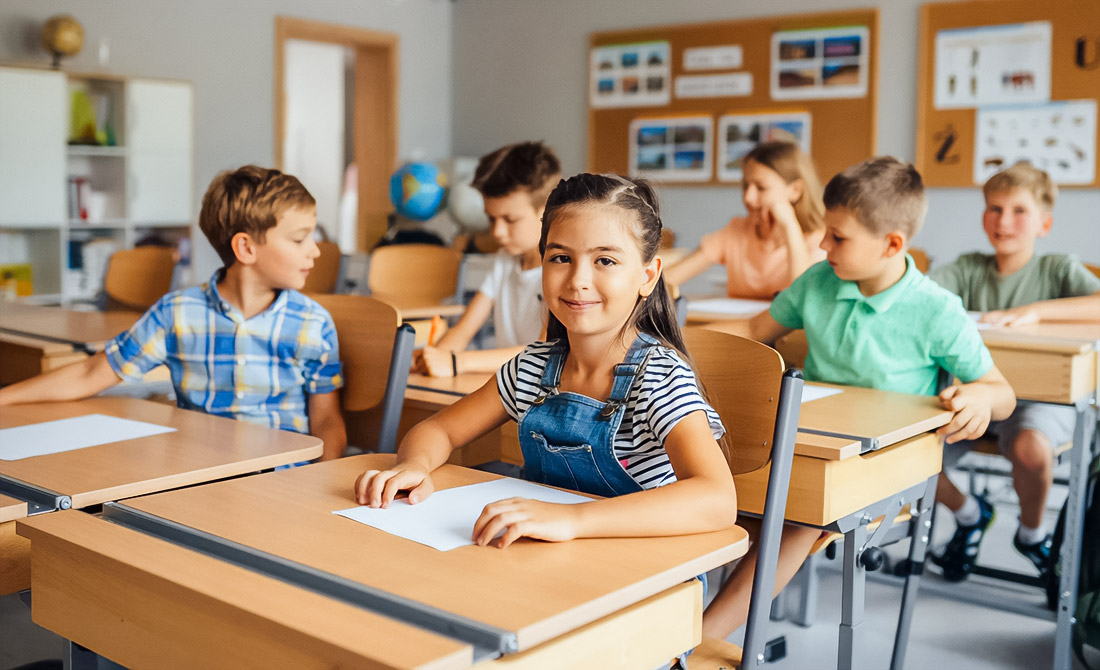
Project-based learning is considered one of the most sustainable approaches. It unites:
- Interdisciplinary tasks
- Working in groups
- Research and presentation of results
Project activities enhance collaborative learning, develop teamwork skills, and teach you how to assign roles. At the same time, communication skills are formed not abstractly, but through discussion, argumentation, and defense of ideas.
The combination of experiential learning + real-world application allows students to see the meaning in the learning process and increases student engagement.
Creativity as a Skill, Not a Talent
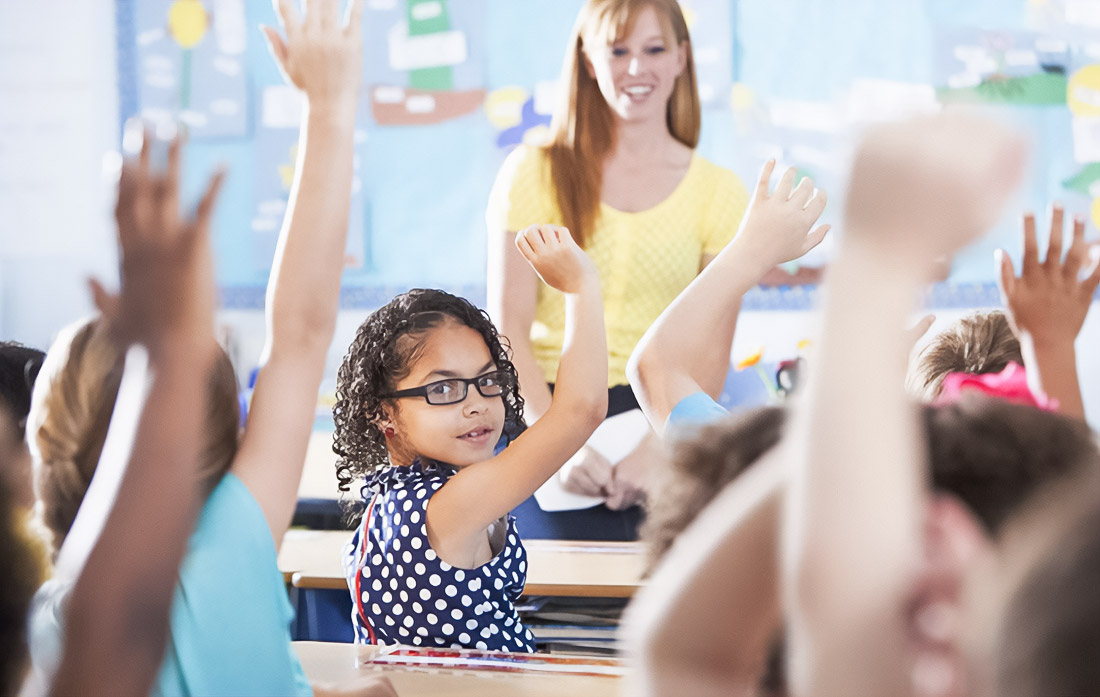
Creativity in education has long ceased to be exclusively related to art. Today it is:
- Search for non-standard solutions
- Flexibility of thinking
- The ability to combine knowledge
Creativity develops through interdisciplinary learning, open assignments, and choice situations. In such conditions, an innovation mindset is formed, which is directly related to adaptability and willingness to change.
Communication and Social Skills
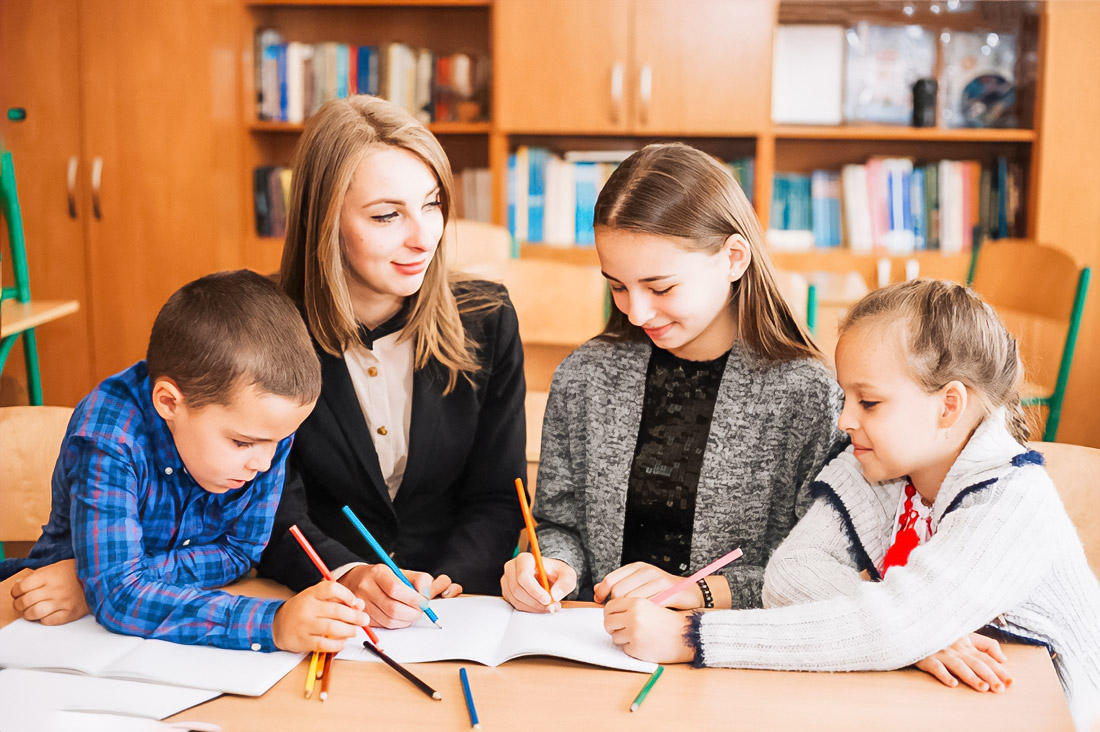
The ability to express thoughts clearly, listen, and negotiate is the foundation of both the learning process and the future professional environment. Communication confidence develops through:
- Group discussions
- Presentations
- Working together
In parallel, social skills, emotional intelligence, and interaction skills in a multinational and multicultural environment are being formed. This is directly related to the concept of global citizenship and respect for different points of view.
Digital Literacy Without Technology Overload
Digital literature in a school context is not just about using devices. It includes:
- Information literature – the ability to work with facts and data
- Media literature – understanding the sources and context of information
- Technology integration as a tool, not a goal
Special attention is paid to digital responsibility: the safe and informed use of technology.
Assessment as Part of Learning, Not Control
Special attention is given to digital responsibility and the safe, informed use of technology, a balanced approach increasingly reflected in the practices of the best schools in Ajman.
Modern educational models are moving away from one-time exams in favor of continuous assessment and formative assessment. This allows you to:
- Track your progress
- Take into account individual characteristics
- Reduce stress levels
Assessment beyond exams supports holistic development, where not only knowledge is important, but also skills, behavior, participation, and growth.
Balancing Academics and Well-Being
Effective learning is impossible without taking into account student wellbeing. The balance between academic load, activity and rest directly affects:
- Assimilation of the material
- Emotional state
- Motivation
Play-based learning in the lower grades and conscious load-sharing in the upper grades support resilience and resistance to stress.
Proven Indicators of the Educational Environment
Within the framework of the modern school model, which has been in operation for more than 8 years, training is supported by a team of 250+ qualified teachers, and the educational process covers more than 2,500 students. This scale makes it possible to build systematic work on skills development, rather than being limited to scattered initiatives.
The development of 21st century skills is not a trend or an additional module, but a structural transformation of education.
Through student-centered learning, practice, collaboration, and informed assessment are formed.:
- Critical thinking
- Adaptability
- Creativity
- The ability to interact
It is these qualities that determine how ready a graduate will be not only for exams, but also for real life.

Basketball fan, foodie, record lover, Bauhaus fan and ADC member. Operating at the crossroads of minimalism and computer science to give life to your brand. My opinions belong to nobody but myself.